





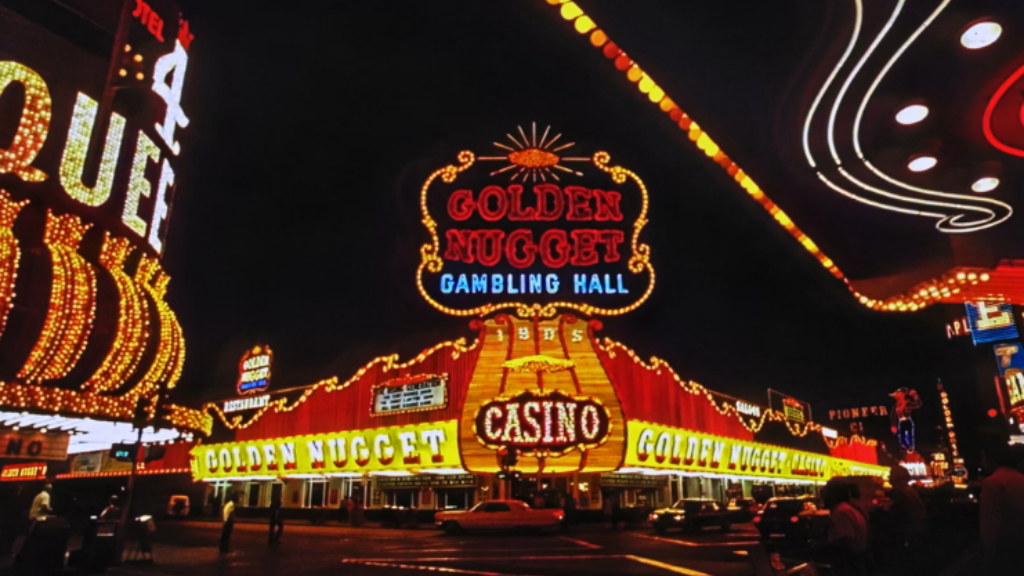
Directors love shooting chips, chandeliers, and tuxedos. That glamour usually swallows the actual mechanics of risk before the montage even ends. A smaller group of films skips the spectacle and instead builds tension the way a real casino floor does: through small decisions, mounting pressure, and the constant threat of losing control.
That distinction matters for anyone trying to understand why certain scenes still feel accurate decades later. Card counting, bankroll management, and the psychology of a losing streak show up in these films with more precision than most documentaries manage. Fans who track how betting culture gets portrayed on screen often compare notes with the same communities that follow crore win and similar platforms, since both worlds trade on the same nervous energy at the table.
Why Tension Beats Glamour in These Films
A blackjack scene works when the audience understands the stakes, not just the outfits. Directors who get this right slow down the pacing right before a hand is dealt, letting silence do the work that dialogue usually handles.
The best casino thrillers treat the table itself as a character. Every chip placed, every hesitation before a call, carries weight because the script has already taught the viewer what losing actually costs the protagonist.
Rounders and the Grind of Skill-Based Poker
“Rounders” remains a reference point because it treats poker as a discipline rather than luck. Matt Damon’s character studies opponents, tracks patterns, and loses badly before he learns anything useful.
The film’s card-table dialogue was reportedly reviewed by professional players, which explains why the terminology and betting logic hold up under scrutiny from real grinders decades later.
The narration also spends real time on bankroll discipline, a detail most gambling scripts skip entirely. Damon’s character has to justify every buy-in against money he can’t afford to lose, and that constant math gives the film its tension long before any single hand gets played. He borrows from friends, lies about it, and keeps a running tally in his head that never quite adds up in his favor.
Croupier and the View From Behind the Table
Clive Owen’s “Croupier” flips the usual perspective. It sticks with the dealer, and that choice exposes how casinos build games so the house wins over time.
Watching from the dealer’s side kills the myth that skill alone beats the math. The house edge grinds down every player equally, whether they know it or not, and the film never lets you forget it.
What Uncut Gems Gets Right About Addiction
How These Films Compare on Accuracy and Tone
Film | Focus | Realism Level | Tone |
Rounders | Poker strategy | High | Grounded |
Croupier | House operations | High | Detached |
Uncut Gems | Compulsive betting | Very High | Frantic |
Casino | Industry corruption | Medium | Operatic |
Molly’s Game | Underground stakes | Medium-High | Procedural |
What Casino Provides That the Others Don't
Martin Scorsese’s “Casino” trades intimacy for scale. Rather than following one gambler’s psychology, it maps the entire business behind Las Vegas casinos in the 1970s and 1980s.
The film’s value lies in showing how skimming operations, mob financing, and security systems actually functioned. A single hand of cards matters less here than the machinery grinding away beneath the games.
Molly's Game Looks at Who Runs the Table
Aaron Sorkin puts the camera behind the organizer’s chair instead of the player’s. Jessica Chastain runs high-stakes poker games for celebrities and financiers, and the film tracks every legal tightrope that job requires.
This angle matters because most gambling films ignore the logistics entirely. Who sits where, how much each player buys in for, and how much discretion the host can promise all become plot points here.
The film also tracks how quickly a legitimate hosting operation can drift into legal jeopardy. Chastain’s character never cheats a single player, yet the surrounding financial web still pulls federal attention, which says as much about regulation as it does about her choices at the table.
Matching a Film to What You Want to Take Away
Viewers interested in strategy should start with “Rounders.” Those curious about house mechanics benefit more from “Croupier.” Anyone wanting addiction’s physical grip should watch “Uncut Gems” with the volume up, since sound design carries much of its tension. Readers drawn to organizational drama over card play will get more from “Molly’s Game,” built around logistics rather than hands won or lost.
Each film succeeds by respecting the audience enough to show real consequences instead of manufactured drama. That’s the throughline connecting all five: risk that actually costs something, portrayed by people who clearly did their research before writing a single scene.
About The Author

Winston
author
With 8+ years of digital marketing experience, I specialize in driving growth for both B2B and B2C clients through targeted, data-driven campaigns. I have a strong focus on SaaS product growth and expertise in SEO, SEM, SMO, remarketing, and third-party review platforms. I’ve successfully supported businesses across industries including finance, entertainment, restaurants, IT services, SaaS, education, manufacturing, real estate, and travel. Let’s connect to explore how I can help achieve your marketing goals.