






Learn the Basics Before You Press Play
How a Raid Actually Works
A good offense doesn’t rush the first step. The raider tests space, baits a hand, or nudges the line to draw a reaction. When a defender bites, the raider touches and turns in one motion, using balance, low hips, and a short burst. Good defenses don’t chase shadows. They narrow lanes, hold shape, and hit in pairs. The tackle that lands isn’t wild; it’s timed to smother the turn and drag the runner short of home. After ten raids you’ll spot patterns: a side that loves early pressure, a raider who sells the fake shoulder, a cover who always arrives second to seal the door. Those small habits decide more points than any single dive
Reading Pace and Momentum Without Jargon
Some games breathe slow: probe, probe, one point, reset. Others run hot: fast tags, risky dives, loud tackles that swing the bench. Momentum lives in two- and three-play runs. Two clean raids in a row can stretch a lead; two firm tackles can freeze it. If a side trails, they don’t need a miracle; they need one stop and a tidy follow-up raid to flip mood and math. Coaches feel this and swap fresh legs to change angles and energy. Track mini-stretches instead of hunting for one huge moment. You’ll see why a team presses after a score, why they back off after a scare, and how a calm phase sets up the next push.
Phone Setup That Makes Every Raid Clear
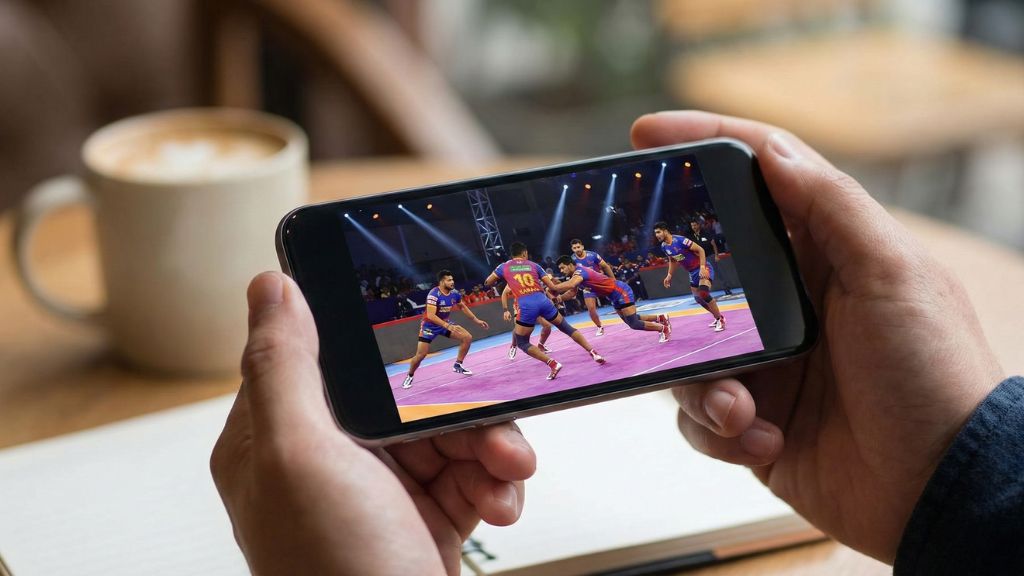
Small tweaks cut most viewing stress. Lower loud alerts so they don’t pull your eyes off the mat. Keep brightness steady; kabaddi is all contrast and quick motion, and a dim screen hides spacing. Use earbuds – ref whistles and bench cues warn you when a trap is coming. Sit a bit back from the phone so you see the whole frame, not just the ball carrier’s step. When a replay rolls, watch the second defender instead of the raider; that closer is the reason escapes fail. If you pause, restart at the beginning of a raid block, not mid-sequence. This sport rewards full scenes: approach, commit, result.
Finish With One Takeaway and You’ll Grow Fast
When the buzzer hits, take thirty seconds to note one thing: a move that worked, a trap that failed, or a player who changed pace. That single line makes the next stream sharper because you’ll look for that cue earlier. Kabaddi needs very little to win you over – just a mat, a line to cross, and nerve. With a bit of prep, a clean phone setup, and eyes for spacing, you’ll see craft under contact. Every raid becomes a tight arc with a reason, and the match feels like what it is at its best: clear start, tight middle, clean finish, repeated until the last whistle.
Recommended Post



About The Author

Vignesh Muthu
author
Vignesh Muthu is a passionate UI/UX Developer and entertainment blogger who brings design thinking and storytelling together. With a strong foundation in user-centric design, he blends creativity and analysis to write compelling content around celebrity biographies, movie box office collections, and the latest entertainment news. When he’s not sketching wireframes or perfecting interfaces, Vignesh dives deep into cinema culture—crafting blog posts that inform, engage, and spark curiosity.