





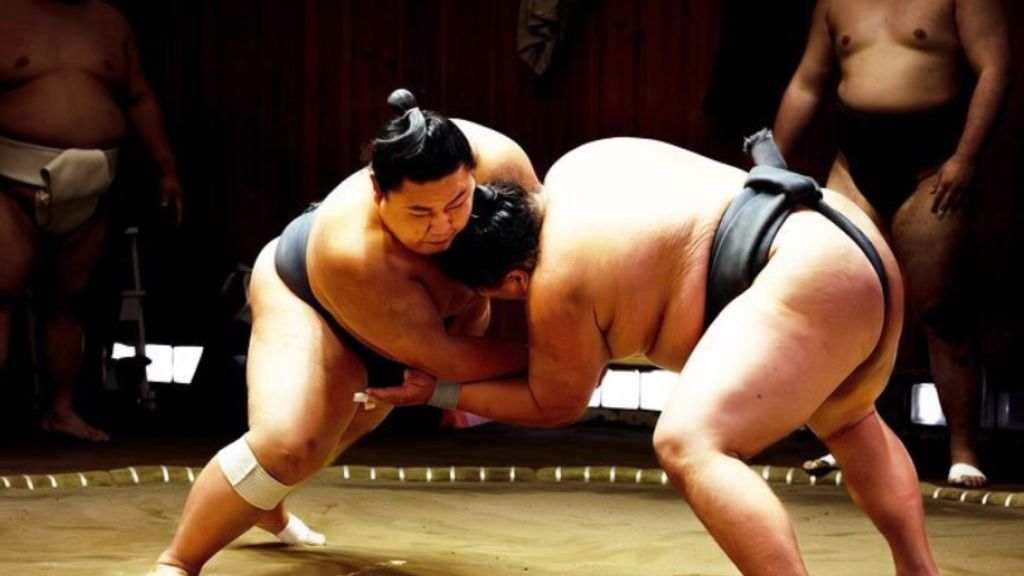
In professional sumo, wrestlers rarely compete under their birth names. There is great sports betting and casino at 1xBet, which also includes a section dedicated to sumo too.
Instead, they use special ring names called shikona, a tradition that dates back hundreds of years. These names are deeply connected to 4 elements:
- Japanese culture;
- stable traditions;
- personal identity;
- and even superstition.
A shikona is usually chosen shortly after a wrestler joins a sumo stable, known as a heya. In many cases, the stablemaster, or oyakata, plays the main role in selecting the name. You can also select your username at the sports betting and casino platform 1xBet to wager on sumo and enjoy many other fun activities too.
Young wrestlers may have little influence over the decision at first, especially if they are beginners. Some wrestlers initially use their real surnames, but later adopt a more distinctive ring name as they rise through the ranks. Promotion to important divisions such as juryo often marks the moment for a name change.
A highly traditional and symbolic element
Many ring names reflect the traditions of a wrestler’s stable. Certain stables use recurring characters or sounds that identify their members. For example, wrestlers from Sadogatake stable often have names beginning with “Koto,” while those from Kasugano stable commonly use “Tochi.” These shared elements create a sense of family and continuity within the stable.
Geography also influences shikona. Wrestlers sometimes choose names connected to their hometowns, regions, or natural landmarks. A wrestler from Hokkaido might include the character meaning “north” in his name. Others select symbols linked to strength, nature, or mythology, such as dragons, oceans, mountains, or storms. Mongolian wrestlers, for instance, often use characters associated with animals respected in their culture, with 3 of them being horses, wolves or eagles.
A shikona can also honor famous wrestlers from the past. Promising athletes sometimes inherit part of a legendary name from a former champion or stable elder. This is considered 2 things: an honor and a sign of expectation.
Interestingly, ring names are not always permanent. Some wrestlers change them to mark one of 3 things: a new stage in their career, improve their luck, or create a stronger image. Because sumo contains many traditional beliefs, even a small change in the written characters of a name may be seen as meaningful.
In the end, a shikona is far more than a nickname. It represents tradition, identity, ambition, and the wrestler’s place within the unique world of sumo.
About The Author

Vignesh Muthu
author
Vignesh Muthu is a passionate UI/UX Developer and entertainment blogger who brings design thinking and storytelling together. With a strong foundation in user-centric design, he blends creativity and analysis to write compelling content around celebrity biographies, movie box office collections, and the latest entertainment news. When he’s not sketching wireframes or perfecting interfaces, Vignesh dives deep into cinema culture—crafting blog posts that inform, engage, and spark curiosity.