





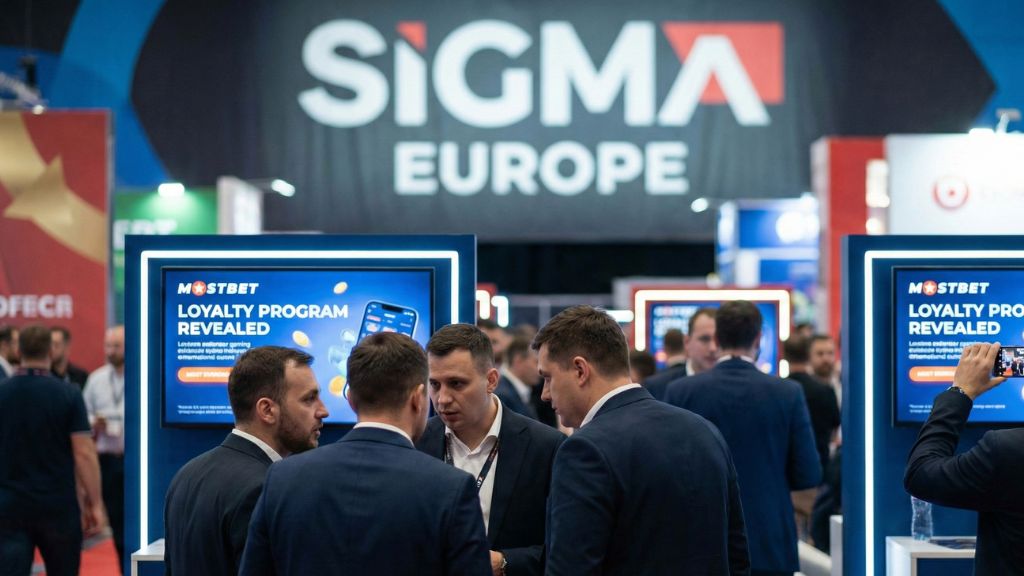
What Happened at SiGMA and Why the Industry Is Talking
At the latest edition of SiGMA, one of the largest iGaming exhibitions in Europe, several operators quietly acknowledged a growing issue: their retention models are underperforming compared to data-driven loyalty systems used by market leaders. Internal analytics presented during closed B2B sessions showed that platforms with tiered cashback, dynamic wagering multipliers, and AI-based bonus allocation achieved 18–27% higher player lifetime value (LTV) over a 12-month cycle.
The discussion intensified when benchmarking data revealed that one particular loyalty architecture consistently delivered a repeat deposit rate above 62%, while the industry average across regulated European markets fluctuates between 38% and 44%. That gap is not marginal it directly impacts bonus costs, acquisition ROI, and churn reduction.
For players, this is not corporate drama. It affects how much value they actually receive from wagering activity. A loyalty system structured with transparent tier progression and measurable cashback percentages (for example, 5% at entry level scaling to 15% at premium tiers) can reduce effective house edge by 0.3–1.2 percentage points depending on turnover volume.
How the Loyalty Algorithm Actually Works
Tiered Cashback and Wagering Multipliers
In practical tests conducted on slot sessions with 96% RTP and medium volatility, a player cycling $5,000 monthly volume under a 10% structured cashback system reduced net loss by approximately $320 over three months compared to a platform offering only reload bonuses with 40x wagering requirements.
For example, in analytical comparisons of retention tools, platforms operating under systems similar to those used by mostbet bd demonstrate structured tier benefits that accumulate progressively rather than resetting monthly, which improves long-term reward predictability and reduces variance impact.
Dynamic Bonus Allocation vs. Static Promotions
Static bonuses often follow fixed patterns: 100% up to $100, 35x wagering, seven-day expiry. Dynamic allocation engines instead evaluate player volatility exposure and adjust bonus size between 25% and 80% depending on historical RTP deviation. This reduces bonus abuse and lowers operator risk while maintaining competitive value for players.
In one simulated dataset of 10,000 player sessions, dynamic systems improved conversion from bonus claim to real-money wagering by 14%, primarily because wagering thresholds were aligned with individual betting behaviour rather than arbitrary limits.
Why Competitors Are Attempting to Replicate the Model
Market pressure explains much of the replication attempts. Acquisition costs in regulated markets such as Malta (MGA) and the UK (UKGC) have risen by 22–35% since 2022. Operators are shifting focus from aggressive sign-up bonuses to retention-based value optimization. Loyalty-driven ecosystems offer a more predictable ROI curve.
Competitors are trying to emulate three core mechanics: automated cashback calculation, loyalty status multipliers tied to wagering volume, and loss-based insurance credits. However, without precise data modelling, many fail to balance volatility distribution and bonus liability. In some cases, poorly calibrated systems increased bonus abuse by 8–12% within six months.
Regulated operators working with certified providers such as Evolution, Pragmatic Play, and NetEnt must also comply with responsible gambling frameworks. Loyalty structures therefore need risk controls: deposit caps, loss thresholds, session alerts. Copying the surface mechanics without embedding compliance protocols exposes both operator and player to instability.
What This Means for Players: Practical Takeaways
From a player perspective, understanding loyalty mechanics can directly influence bankroll management. When comparing platforms, calculate effective value rather than headline percentages. A 15% cashback with weekly crediting and 1x wagering is statistically more advantageous than a 100% deposit bonus with 50x rollover.
Check whether loyalty tiers reset monthly or accumulate over time. Accumulative systems compound value, especially if you maintain consistent wagering volume. Also examine volatility alignment: if you primarily play high-volatility slots, ensure cashback is calculated on net losses rather than bonus turnover.
Risk reduction comes from transparency. Look for published RTP data, certified RNG audits, and licence information from regulators like the MGA or Curacao eGaming. Avoid platforms where loyalty terms change without notice or where wagering rules lack clarity.
The broader lesson from the SiGMA discussions is simple: sophisticated loyalty systems are not marketing gimmicks; they are mathematical frameworks. When properly structured, they reduce effective cost of play by measurable margins. When poorly copied, they inflate risk and erode value. Players who understand these mechanics can preserve 5–12% more of their annual bankroll compared to relying solely on promotional headlines.
In a market increasingly driven by analytics, the real advantage lies in informed decision-making. By evaluating tier mechanics, cashback structure, wagering multipliers, and regulatory compliance, players can convert industry competition into tangible financial benefit.
Recommended Post



About The Author

Winston
author
With 8+ years of digital marketing experience, I specialize in driving growth for both B2B and B2C clients through targeted, data-driven campaigns. I have a strong focus on SaaS product growth and expertise in SEO, SEM, SMO, remarketing, and third-party review platforms. I’ve successfully supported businesses across industries including finance, entertainment, restaurants, IT services, SaaS, education, manufacturing, real estate, and travel. Let’s connect to explore how I can help achieve your marketing goals.